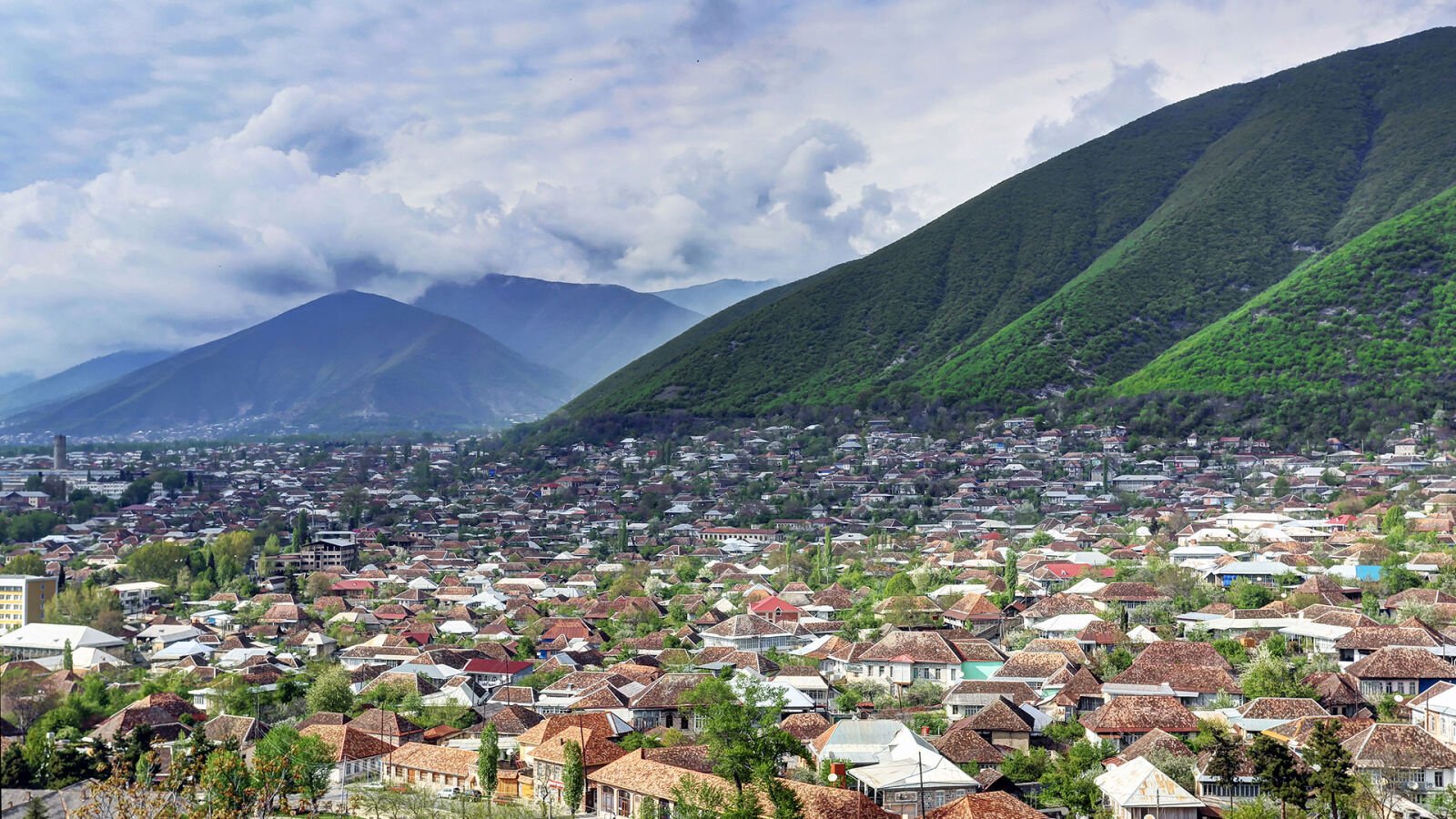
Cities rarely keep their first name. Sheki is an exception: the city that has stood on this spot since the 8th century BCE was originally called Sakasena, or Saka — named after the Saka people, an Iranian-speaking branch of the Scythians who lived in this region long before Azerbaijan existed in its current form. From that root, through gradual changes — Shakashen, Shakki — came the modern name Sheki.
This Sheki travel guide rarely centers on this fact, even though it's what makes the city special: few places in the country can trace their name back two and a half thousand years to an actual nomadic people, rather than a legend or a later ruler.
The Saka, the Scythians, and Centuries Before Caucasian Albania
Not much is known about the city's earliest centuries — archaeology here has only been done in patches, and there's no complete picture yet. But the fact that the region has been linked to the Saka since the 8th century BCE says a lot: this was a place where migration routes crossed, where nomadic Iranian-speaking tribes lived alongside the local Caucasian population.
Later, in the early centuries CE, these lands became part of Caucasian Albania, an ancient state that united many regions of present-day Azerbaijan. Sheki was just one province at the time, but this is when the city first became a lasting presence on the region's map as its own administrative center. The history of Sheki includes an Arab invasion in the 7th century and centuries of changing rulers — Armenian princedoms, Persian governors — before it became what visitors see today.
The Silk Road and the Birth of a City of Craftsmen
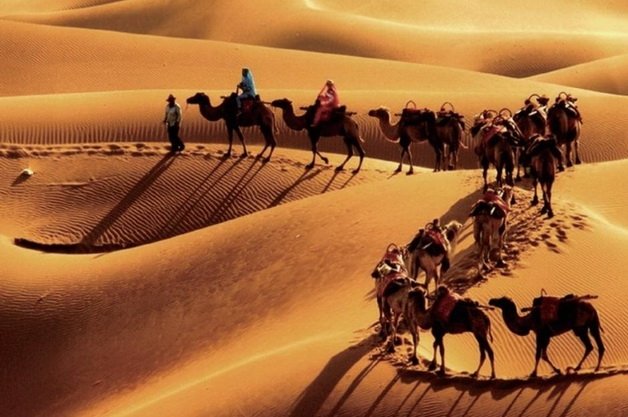
The real turning point came with the growth of the Great Silk Road. Caravans traveling from China and Central Asia toward Europe passed right through these Caucasus foothills, and Sheki quickly grew from a stopover into a place of real trade, where technologies and crafts were exchanged.
This Sheki ancient city kept reinventing itself: from a nomadic Saka tribe to a settled trading center, filling up with caravanserais, workshops, and markets. The Upper and Lower Caravanserais that still stand today aren't reconstructions — they're the real buildings, remembering merchants who slept here centuries ago.
The Khan's Palace: The Peak of a Later Golden Age
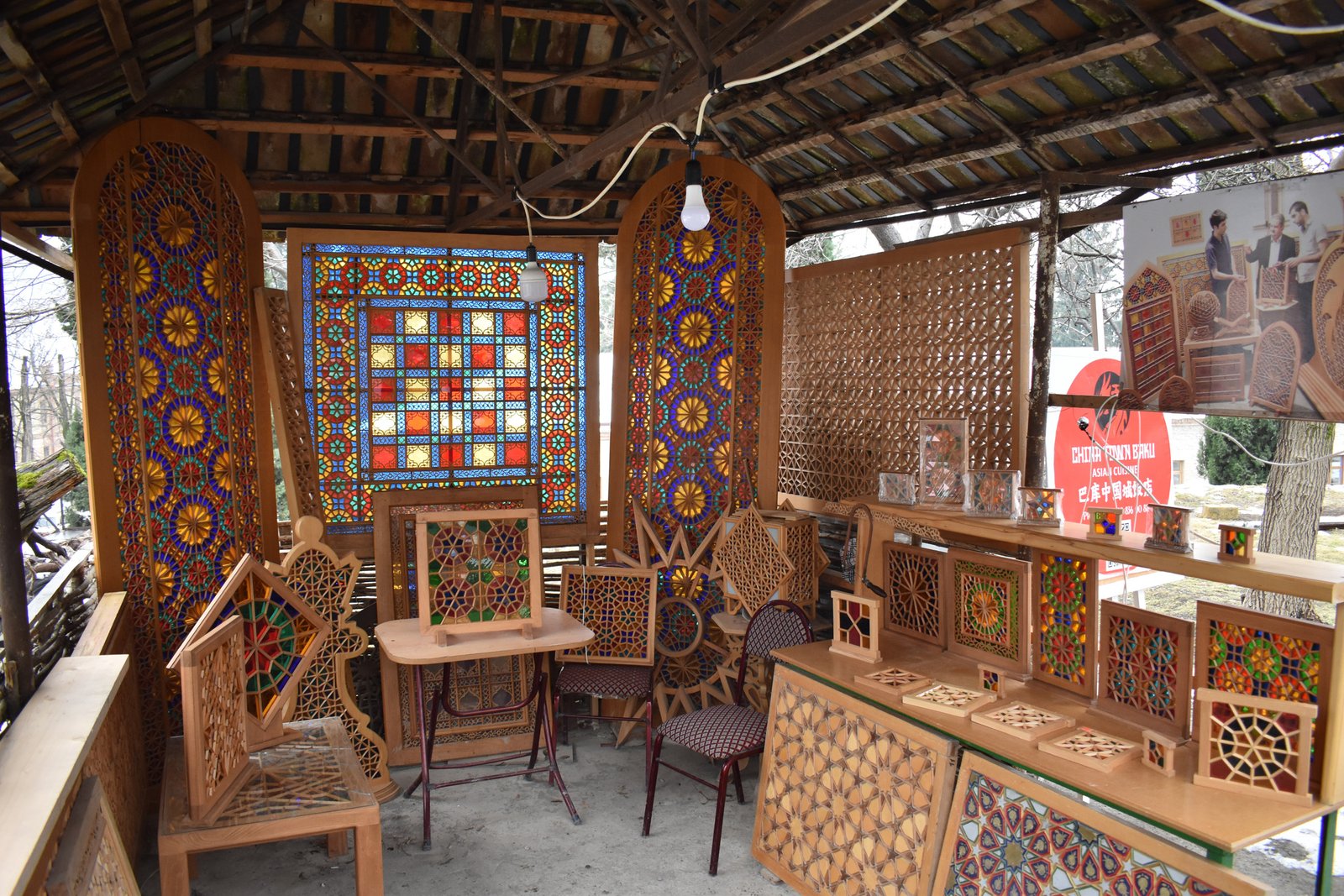
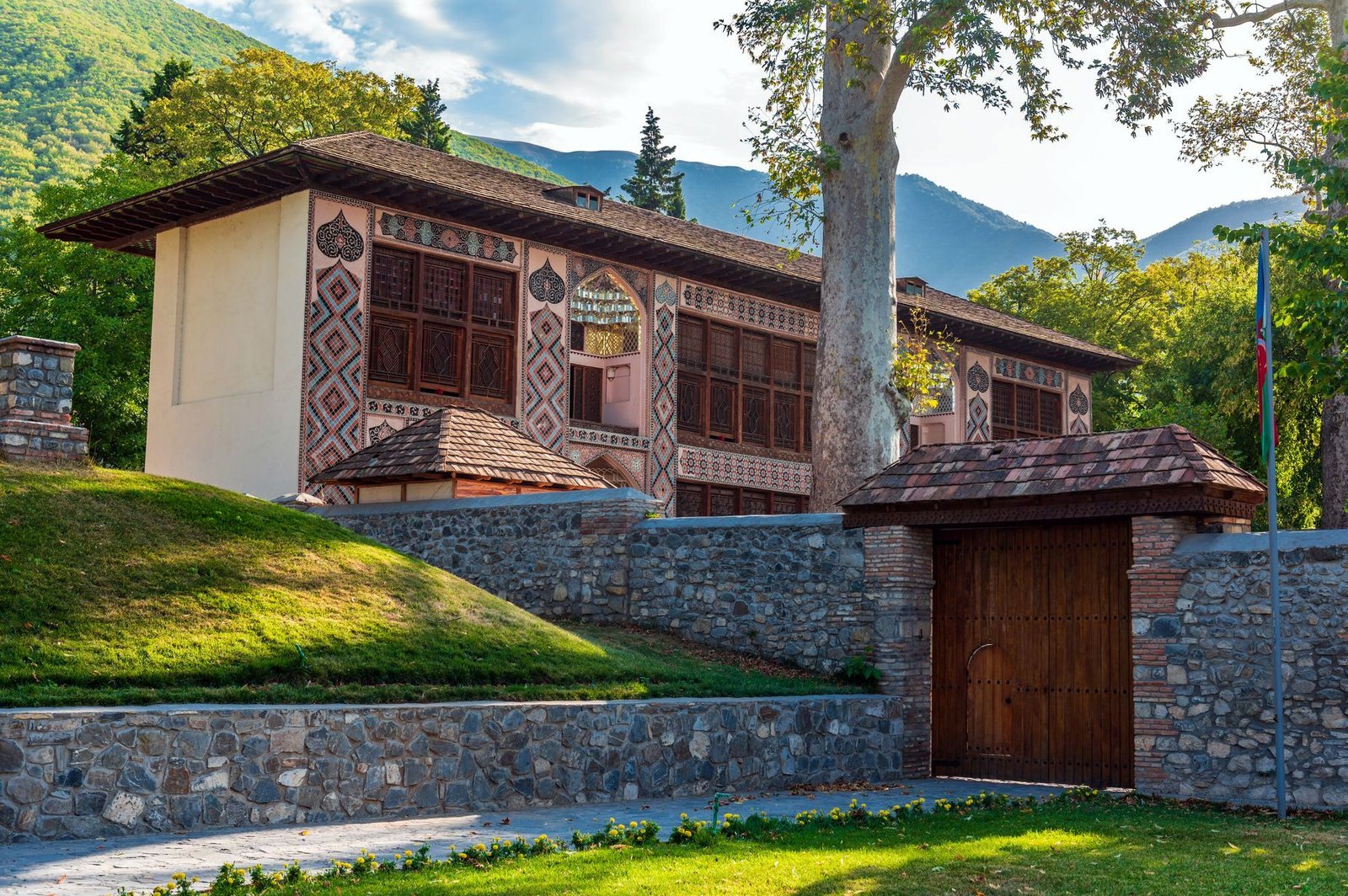
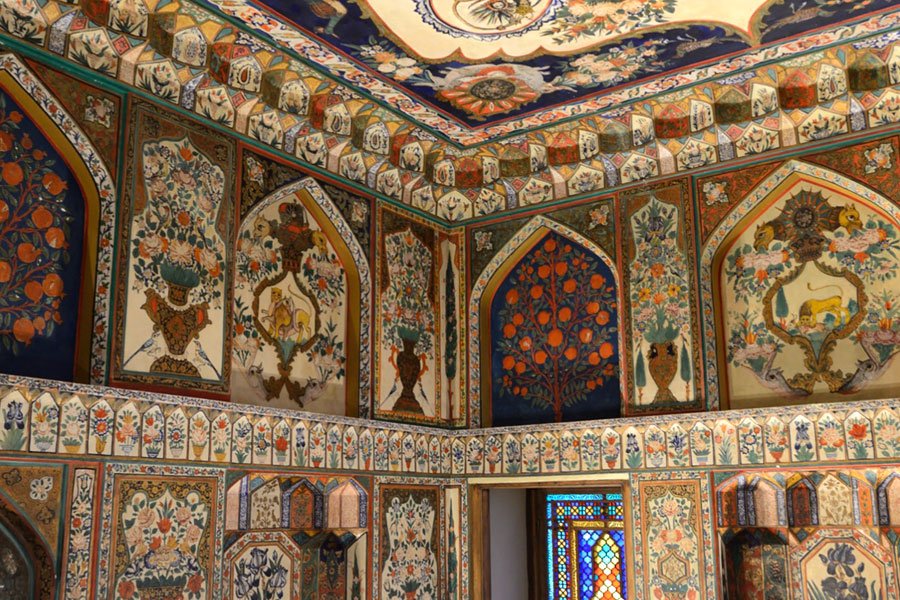
In the 18th century, on this same layered land, the Sheki Khanate was formed, one of the most developed political centers in the region at the time. The Khan's Palace, built as a summer residence for the rulers, became the architectural symbol of that era: the shebeke windows, made of wood and colored glass with no nails or glue, still amaze people with their precision today.
For anyone looking to arrange Guided Tours Azerbaijan with a focus on architecture and history, the palace offers a rare chance to see what power and taste looked like in the late khanate period, through wall paintings with Eastern symbols, hunting scenes, and geometric patterns, where every detail once signaled the owner's status.
Silk, Halva, and Crafts That Never Became a Museum Piece
Sheki's economy relied on silk production for centuries. The climate and natural conditions of the foothills were ideal for raising silkworms. Silk from here traveled far beyond the region, bringing the city significant income.
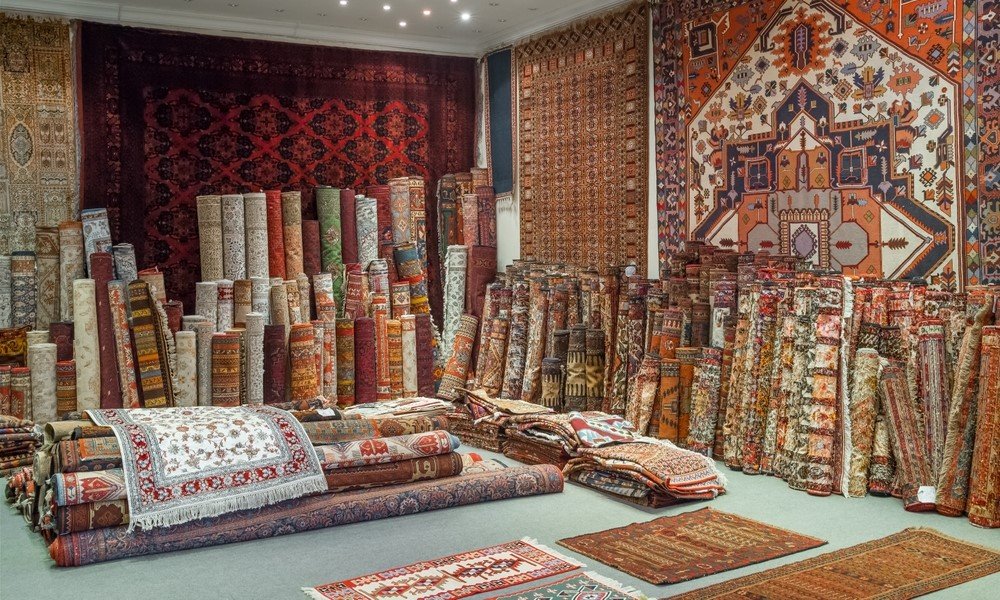
But unlike many historic cities where crafts have turned into a tourist display, in Sheki the traditions are still alive. Shebeke masters still work by hand, carpet weaving and wood carving remain part of everyday culture, and Sheki halva, one of Azerbaijan's most recognizable sweets, is still made from recipes that haven't changed for generations. A group tour Azerbaijan built around Sheki gives you this exact mix: not just architecture, but a living, unstaged culture.
Mountains, Climate, and the Practical Side of the Trip
Sitting at the foot of the Caucasus Mountains gives Sheki its own climate: cooler and greener than Baku, with surrounding forests that create a sharp contrast to the Caspian lowlands. This isn't just scenic. It has historically shaped the region's agriculture and crafts.
The best way to see every layer of this story, the Saka, Caucasian Albania, the Silk Road, the khanate, in a single trip is with Guided Tours from Baku, where the route and historical context are already planned, instead of being pieced together on your own.
Five Tours Where You Can See Sheki for Yourself
Comments (0)
Leave a Comment