The nature and history of Azerbaijan come together deeply on this route: majestic landscapes sit side by side with monuments that have survived for thousands of years. The trip to Gobustan takes guests back to the age of ancient settlements and rock paintings, while the rest of the journey introduces Zoroastrian heritage and the peninsula's volcanic activity. Along the way, visitors move through completely different worlds within a single day, shifting from geology to archaeology and then to religious history. You can book a tour of Baku for a rich itinerary that combines unique natural sites, archaeological heritage, and chapters of the country's religious history. Each stop on the route reveals a new layer of the past — from 19th-century industrial achievements to beliefs that existed long before our era. By the end of the day, guests come away with a much fuller picture of what makes the Absheron Peninsula so unique.
Gobustan and Absheron Tour: Fire, Volcanoes, and Rock Art of Azerbaijan
₼60
₼30
Tour Itinerary
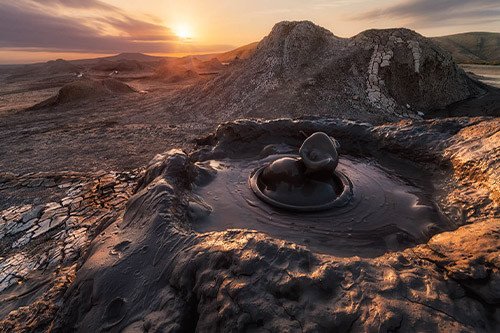
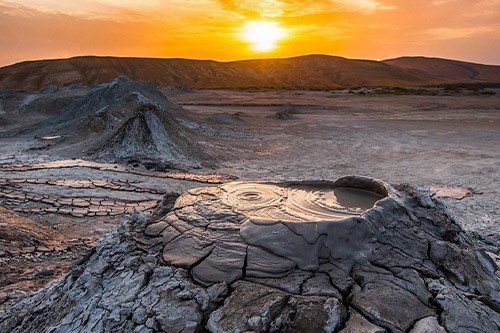
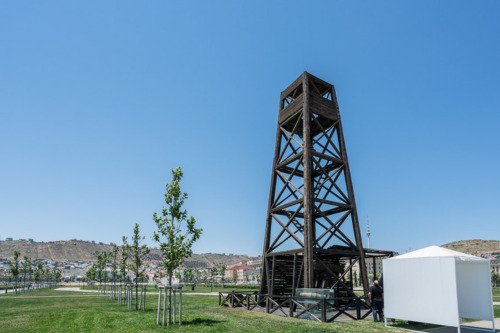
The tour starts at an old oil well in Bibi-Heybat. This well was built in 1846, and it was the first oil well in the world made using machines. This was the start of the modern oil industry. The road then goes past old oil fields. These fields were also used in a James Bond movie. After that, you will reach the mud volcanoes of Gobustan. These are very rare — there are more of them here than anywhere else in the world. You will see cool, bubbling mud and small hills that look like craters. It feels very different from the oil history you just saw.
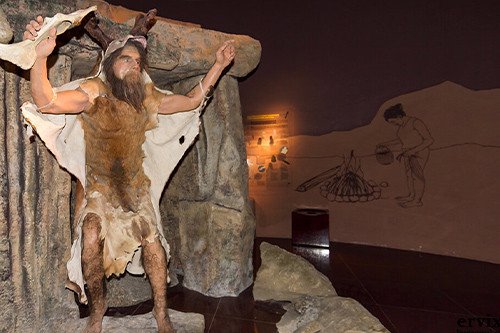
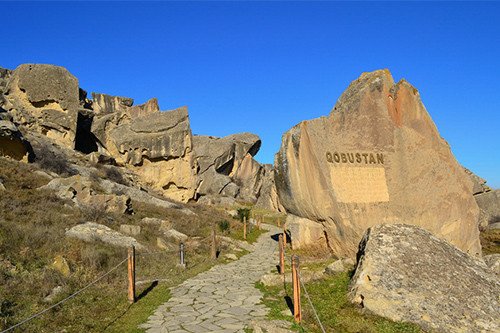
The next stop on the program is the Gobustan Reserve, recognized as a UNESCO World Heritage Site. The area preserves traces of ancient human settlements, including tools and remains of Paleolithic-era dwellings. Archaeologists have been studying this site for decades, and new discoveries continue to add to our understanding of early human life in the region. The museum's exhibits help trace the development of Homo sapiens and show how the daily life of ancient communities changed over thousands of years. Professional guides explain the significance of these finds for world archaeology and describe how this land shaped Azerbaijan's cultural identity. Walking through the reserve combines scientific value with scenic views of the rocky hills, and the landscape itself feels almost untouched by modern life. This makes Gobustan not just a historical site, but also a peaceful place to slow down and take in the surroundings.
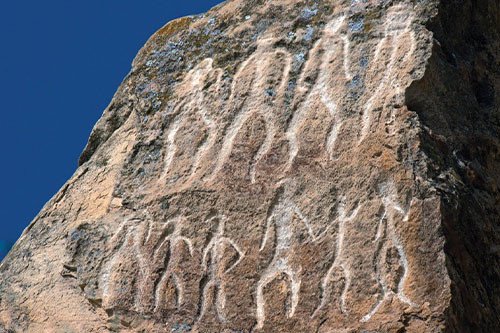
Within the reserve, guests can see rock carvings left thousands of years ago. The petroglyphs depict scenes of hunting, ritual dances, and everyday life of ancient communities. Some images even show boats and animals that no longer live in the region, offering clues about how the climate and landscape have changed over time. The guide explains the symbolism of the images, showing how hunting traditions and tribal social structures evolved over time. Looking at the lines carved into the stone, visitors feel a striking closeness to people who lived long before writing existed. This part of the route highlights the value of preserving monuments that continue to tell a story without a single word. For many travelers, this is the most moving part of the whole excursion, since it connects them directly to the earliest chapters of human history.
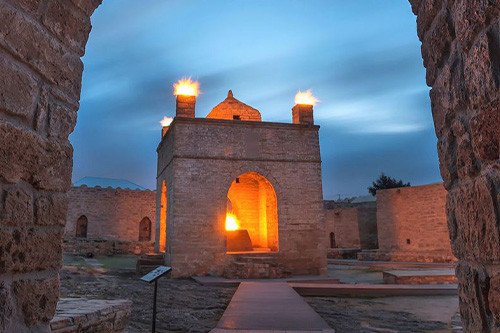
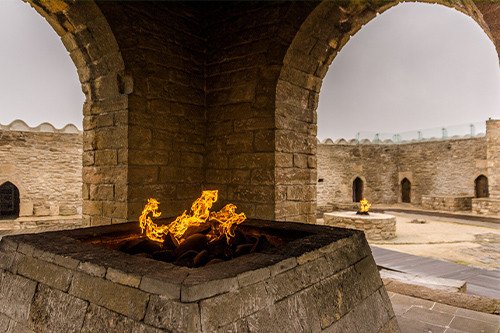
Booking an excursion in Baku is also worthwhile for a visit to the Ateshgah Temple — a shrine built by Hindu and Zoroastrian communities around a natural flame. Natural gas vents keep the fire burning, a flame considered sacred for centuries by different faiths. At this stop, the Absheron excursion reveals the architectural features of the complex and explains the ritual traditions of pilgrims who once traveled here from India and Persia. Inside the temple's courtyard, small cells once housed monks and travelers who came specifically to worship the eternal fire. The temple's atmosphere blends the strict geometry of its buildings with a sense of ancient spirituality that has survived through changing eras and religions. Visiting this site offers a rare window into a faith that has largely disappeared from the region but left a lasting mark on its culture.
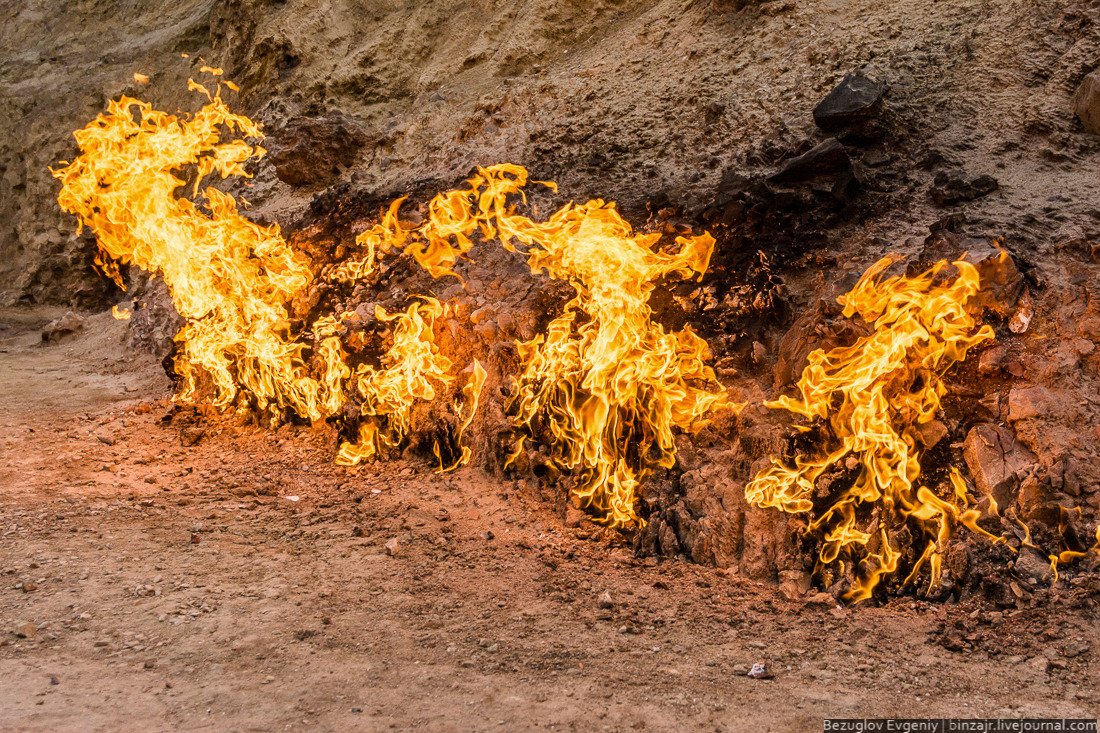
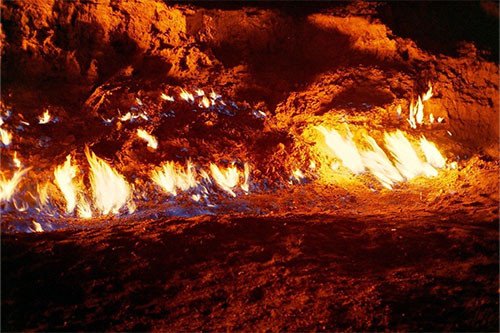
The route ends at Yanar Dag, where natural gas escapes straight from the hillside, creating a continuous flame with no visible source. This natural fire has been burning for decades and is one of the reasons Azerbaijan is sometimes called the "Land of Fire." From the viewing platform, you'll see a panorama of much of the peninsula, and the wall of fire against the twilight sky leaves a strong impression even on experienced travelers. The tour to Yanar Dag traditionally serves as the final highlight of the day, combining a geological wonder with the closing emotions of a full day's program. Many guests choose to stay a little longer here, simply to watch the flames as the sky darkens. Booking a tour of Baku that includes this site means gaining a complete picture of Absheron's natural and historical diversity — from oil fields to the eternal fire burning on the earth's surface, and everything in between that tells the story of this remarkable land.
Tour Category:
Day Trips
Group Size:
1-17
Start Time:
08:00
Duration:
8-9 hours
Transport:
Sedan, Mercedes-Benz Vito, Mercedes-Benz Sprinter
What's Included
- Services of an English-speaking guide throughout the tour
- Transportation in a comfortable car or minibus
- Guided tour of the petroglyph site with in-depth historical insights
- Guidance and assistance from the guide along the route, including help with directions and photos
- Opportunity to ask personal questions and receive individual attention during the group or private tour
What's Not Included
- Personal expences
- Entrance tickets to 4 museums and transfer to the mud volcanoes - 55 AZN
- Lunch : a selection of national dishes - 19AZN
Note
For your comfort, we recommend wearing comfortable walking shoes, as the tour includes a visit to the mud volcanoes. Please also bring sunglasses and sunscreen to protect yourself from the sun.
General Questions About Tours in Azerbaijan
There are two reasons behind the early start. First, Baku's roads are at their busiest between 7:30 and 10:00 AM. By setting off earlier, we avoid the traffic jams, which makes the trip more comfortable and helps us use time efficiently. For private tours, the departure time can be adjusted to suit your preferences, though we still recommend not pushing the start too late in the day. Second, the museums along the route only accept visitors until 6:00 PM. Guides accompany guests at every site and provide full explanations — and for group tours in particular, an early departure is essential to fit everything into the schedule.
About 10–15 minutes after leaving the city, there's a short stop (roughly 15 minutes) where you can grab coffee, tea, or a light snack. In addition, most hotels can arrange a packed lunch box at the front desk in advance, so you can start the day without rushing.
Yes, all the museums included in the program have restrooms that guests can use while visiting each location.
Lunch is served at the "Jahangir" restaurant and features a set menu of traditional Azerbaijani dishes: two types of gutabs (with herbs and with meat), fragrant plov, an assortment of kebabs (chicken, lamb, and lyulya), a fresh vegetable salad, along with tea and soft drinks. The restaurant's atmosphere is perfect for savoring national cuisine at a relaxed pace.
For the route covering the mud volcanoes, the Ateshgah fire temple, and Yanar Dag, it's best to dress practically and according to the weather. Footwear should be closed-toe, comfortable, and non-slip, since part of the route crosses uneven, rocky terrain. In summer, bring a hat and sunglasses; in cooler or windy weather, a light jacket is recommended.
On average, the excursion takes 8–9 hours, depending on the format (group or private) and the overall pace of the trip.
There are walking sections in the program, but they're set at a comfortable pace. The most walking happens at the Gobustan museum and petroglyphs, where the walk takes about an hour. The remaining stops involve noticeably less walking, making the tour easy to manage even for guests without special preparation. This allows everyone to take their time exploring each site, take photos, and enjoy the experience without feeling rushed.
For private tours, this can be arranged in advance during booking. In the group format, swimming isn't included, so as not to disrupt the overall schedule of the excursion.
For group tours, transfer can be arranged upon request for an additional fee. For private bookings, transfer can be included in the price — details are discussed in advance.
Museum tickets and the off-road transfer to the mud volcanoes are paid separately, settled on-site with the guide.
In the group tour, about 15 minutes are set aside for viewing and photos. In the private format, this time can be extended if guests wish.
The program combines transport rides with walking sections — at the petroglyphs, the museum, and the mud volcano site. In total, walking takes up about 4–5 hours, spread across the different locations, making the route comfortable and safe for everyone.
Depending on the number of participants, suitable vehicles are used: Mercedes Vito, Toyota, Mercedes Sprinter, or a sedan for private tours.
Yes, the program is designed for guests of all ages. Comfortable footwear is recommended, since part of the route crosses natural, unpaved terrain.
Technically, yes, but most travelers prefer an organized tour — it's safer, saves time, and is especially convenient when visiting remote natural locations. A guide also makes it easier to fully immerse yourself in the region's history and culture.
Filming is unrestricted at most locations. In the museums, only smartphone photography is permitted. The petroglyphs, mud volcanoes, and Yanar Dag are excellent spots for memorable photos and videos.
For private tours, yes. In the group format, splitting is possible upon request. For those who'd prefer to spread the program across two half-days, we offer suitable options in the "Similar Tours" section.
The Gobustan–Absheron excursion is often combined with the "Evening Baku" tour, making for a fuller day while saving both time and money. Additional combined options can be found in the "Similar Tours" section.
If you couldn't find the information you needed, check the "FAQ" section in the site menu — it contains additional answers for travelers. If you still have questions, feel free to reach out through the "Contact" section, also located in the site menu. We do our best to respond within 24 hours.
Customer Reviews (0)
Leave a Review