If you've ever seen photographs of a lake that seemed to defy reality with its pink hue, chances are it was Masazır Lake. This extraordinary location sits remarkably close to Azerbaijan's capital - just twenty minutes from Baku by car. Although many travelers have heard of its existence, few truly understand how unique this lake is on a global scale.
The reason is simple: only eight lakes in the entire world possess this distinctive pink color. Eight. Among millions of water bodies scattered across the planet, just eight have this rare characteristic. Lake Masazır is one of them. This is not merely a regional attraction - it's a natural phenomenon of worldwide significance that deserves to be witnessed firsthand.
Why the Lake is Pink: Science From the Microscopic World
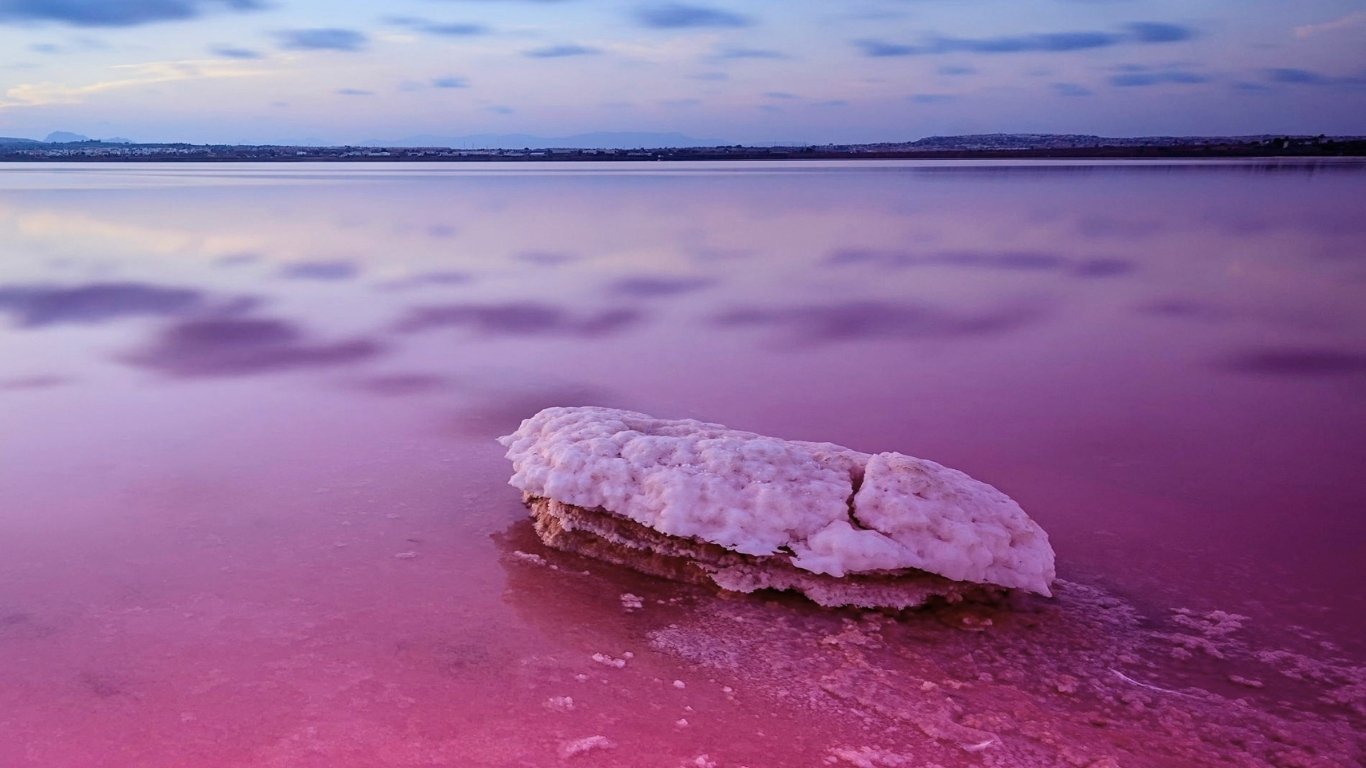
If you could examine the water of Lake Masazır under a microscope, you would see billions of living microorganisms. These are halophilic algae - literally "salt lovers." They thrive in conditions where other organisms simply cannot survive. The water's salt concentration is approximately five times higher than ocean water, making it impossible for ordinary fish to live here. Conventional algae cannot compete in such an environment.
Yet these microscopic creatures didn't just survive in such extreme conditions - they flourished. Halophilic algae produce a pigment called carotenoid. This is the same pigment that makes carrots orange and cilantro red. But here in Lake Masazır, the concentration of this pigment is so high that the entire body of water becomes colored in that characteristic pink hue.
The shallow depth of the lake is another critical factor. It allows sunlight to penetrate unobstructed to the bottom, stimulating the growth of halophilic algae. The water rarely exceeds a few meters in depth, so sunlight reaches everywhere. This creates ideal conditions for microorganism reproduction, which continuously colors the water pink.
This is not magic. This is biology working in perfect harmony.
The Lake's Changing Colors Throughout the Day
When you visit the lake, it's important to understand one thing: its color is not static. The pink hue appears different at seven in the morning than it does at three in the afternoon. The lake is a living organism, responding to light, weather, and the sun's angle.
Early in the morning, when the sun is just beginning to rise, the lake appears darker - almost burgundy. The water seems deeper, more serious, more mysterious. This is the perfect time for those who wish to see the lake in its most enigmatic state.
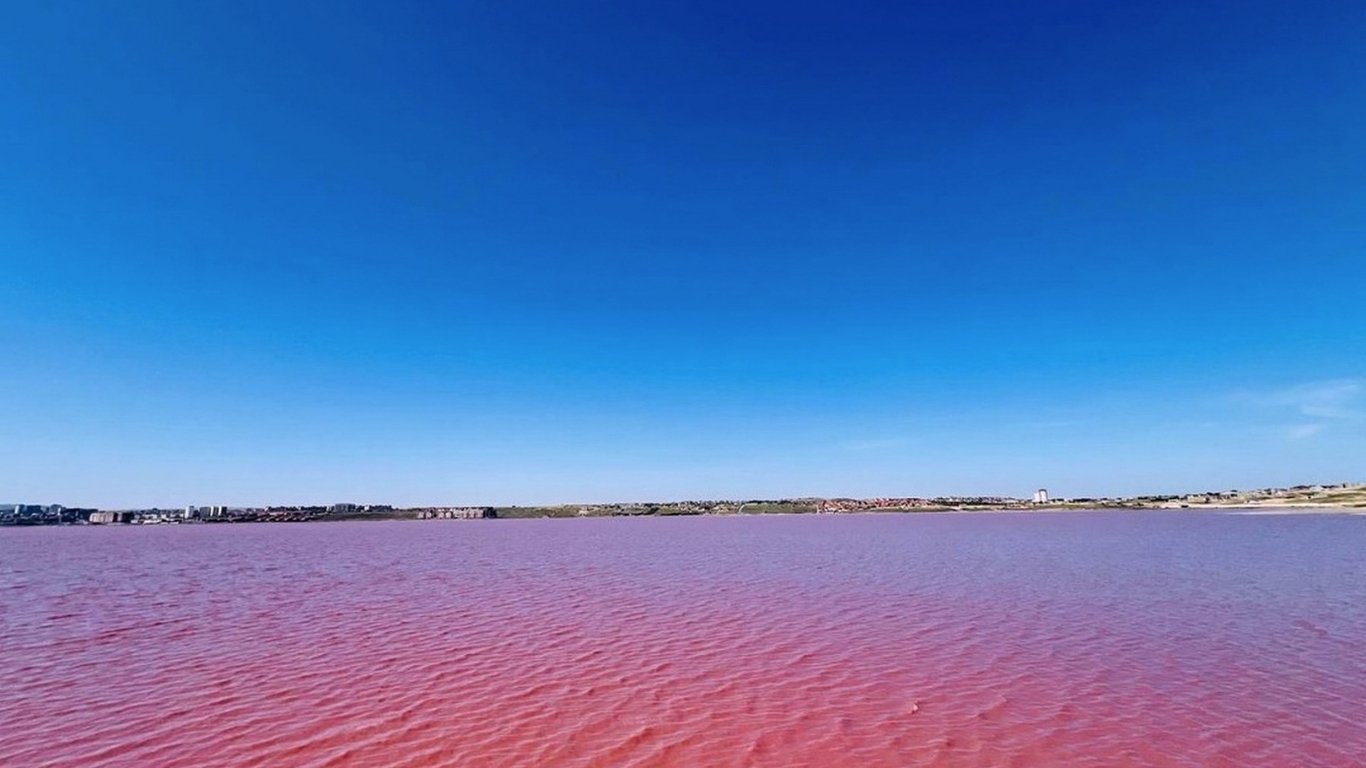
By midday, when the sun is at its zenith, the lake undergoes a complete transformation. It becomes brilliantly pink - almost flamingo pink. The color becomes saturated, vivid, contrasting sharply with the blue sky. This is precisely when most visitors capture their best photographs.
Sunset brings the lake's most spectacular display. The pink water reflects the golden and orange light of the setting sun, creating a palette of colors that photographs simply cannot adequately capture. The sky, the lake, the surrounding landscape - everything becomes part of one magnificent composition.
The sand around the lake is also pink. Not as intensely pink as the water, but a paler, almost flesh-toned shade. Mineral deposits give it this coloring. Together - water, sand, sky - everything creates the sensation that you're standing inside a pink cloud.
A History of Salt Extraction and Healing Properties
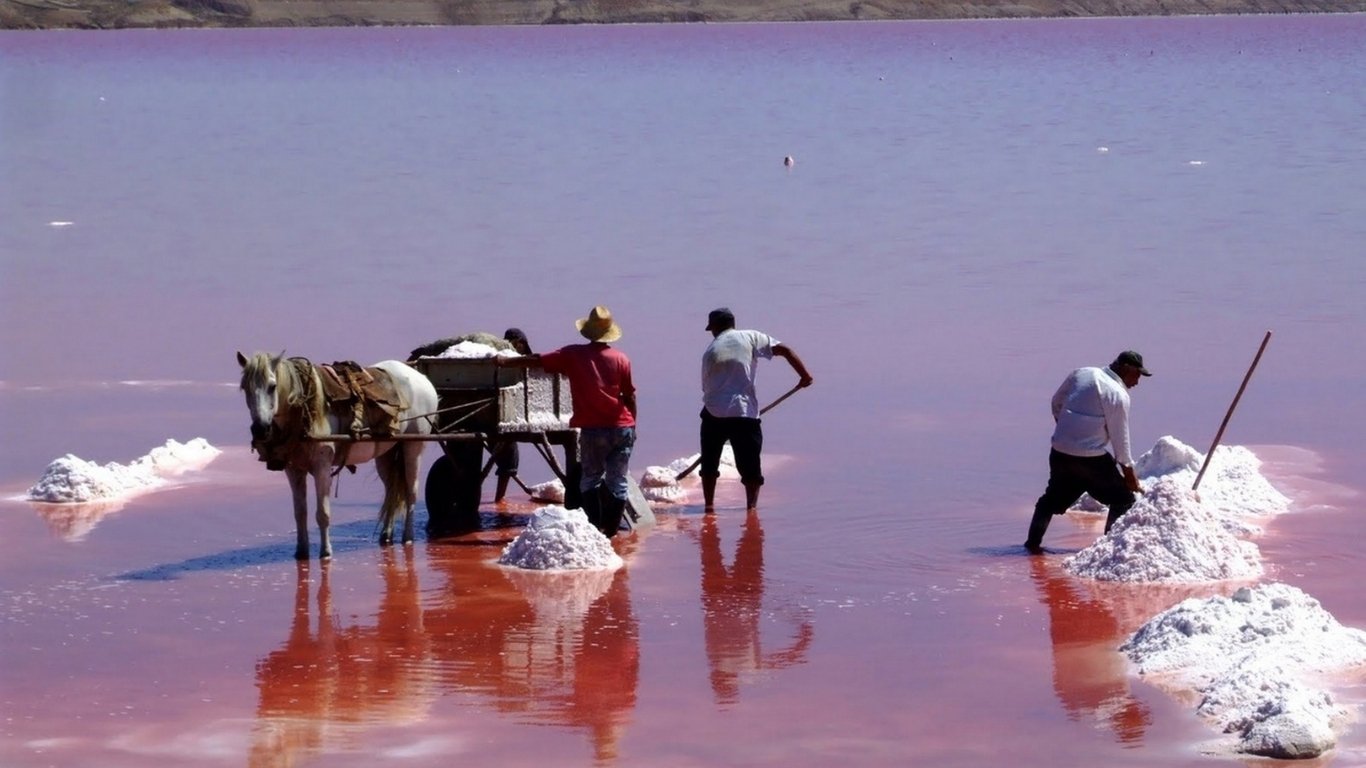
Lake Masazır has been utilized by humans for centuries. Since 1813 - more than two hundred years - salt has been extracted from these waters. This was not modern industrial extraction, but traditional craftsmanship. Local inhabitants manually harvested salt from the lake's bottom, dried it, and sold it. Salt from Lake Masazır became renowned far beyond the region due to its high mineral concentration.
But the lake's value extended beyond economics. Centuries ago, people discovered that spending time near the lake or bathing in its waters had beneficial health effects. Stories were passed down about how joint pain disappeared, migraines subsided, and overall health improved. These were not scientific observations in the modern sense, but they were real experiences documented through generations.
Modern science partially explains these phenomena. The lake's water is saturated with minerals - potassium salts, magnesium, sodium, and other elements that genuinely can have therapeutic effects. Simply by being near the lake, you breathe air saturated with salt particles - something people in modern spas pay significant money to experience. It is a natural salt chamber, created by nature itself.
The Practical Reality of Visiting
If you plan to visit the lake, there are several things you should know. Today, Lake Masazır is more than just a natural attraction. A salt processing plant operates on its shores, conducting industrial extraction. This means access to the lake is partially restricted. Some areas are fenced off, and workers operate the facility.
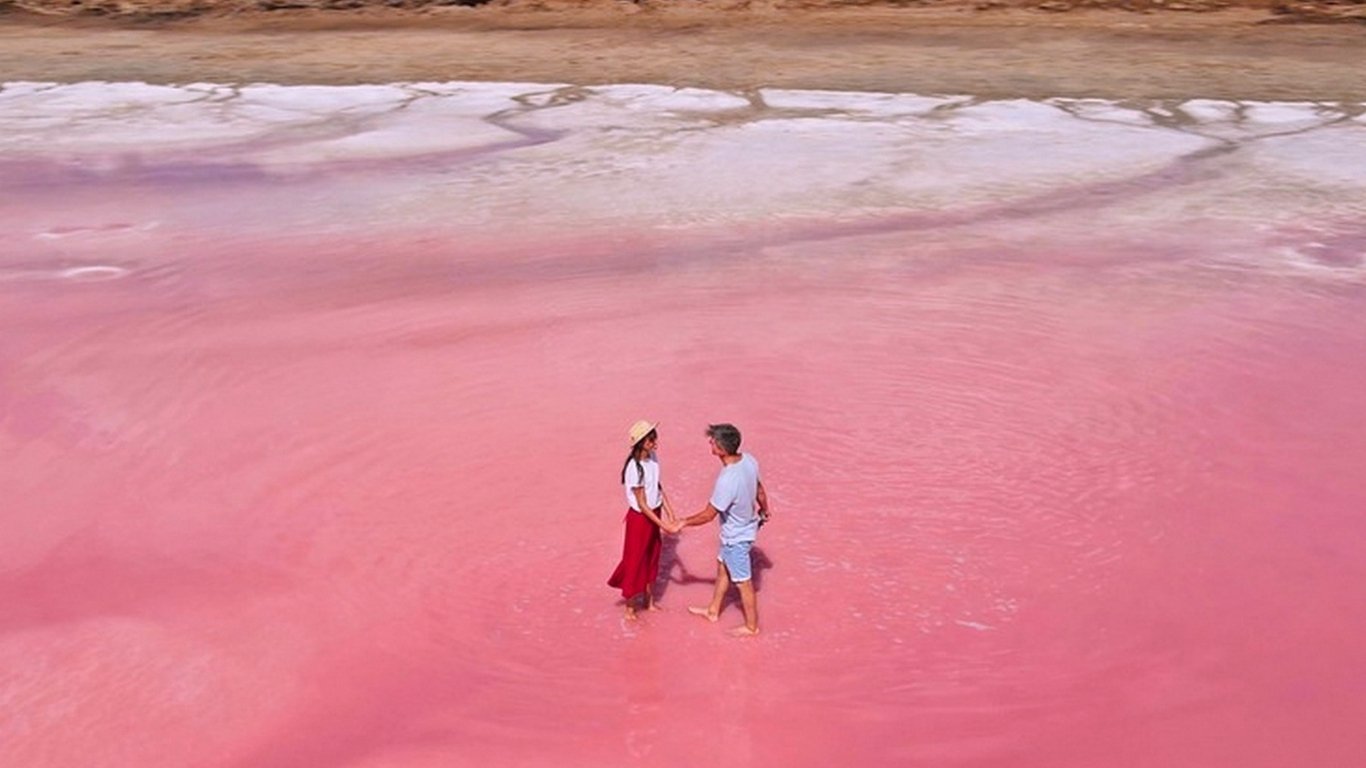
However, with the help of a local guide who knows the territory, you can still find your way to the shore and see the lake up close. To reach the water, you must descend a small slope, then walk across salt deposits. You'll need to remove your shoes. The layer of salt resembles hardened snow - it's not soft, but rather quite solid, though with each step you may sink into salty slush a few centimeters.
The lake's water is extremely shallow - rarely deeper than knee-level. The bottom is also soft and salty. If you want to enter the water, be aware that it's extremely saline, and if you have cuts on your feet, you will feel a burning sensation. However, in small doses, such exposure is not harmful.
Why This Destination Is Worth Your Time
Tours around the regions of Azerbaijan frequently include Lake Masazır precisely because it is such a unique location. After visiting mud volcanoes, ancient cities, and modern Baku, Lake Masazır offers something entirely different - a natural wonder created not by humans, but by nature itself.
This place inspires contemplation. When you stand at the shore of a pink lake and witness billions of living microorganisms coloring the water pink, you feel the scale of nature, its complexity and beauty. It reminds us that the world is far larger and more interesting than we often imagine.
An azerbaijan tour that includes Lake Masazır offers the opportunity to experience the country's natural diversity. From towering mountains to coastlines, from ancient cities to modern attractions - and then this lake, this living palette of colors created by microorganisms working in concert.
If you find yourself in Baku or are planning tours in Azerbaijan, be sure to allocate at least several hours to visit Lake Masazır. This place will leave an impression that stays with you for years to come. It is a reminder that Earth still holds genuine wonders for those willing to seek them out.
| Header 1 | Header 2 | Header 3 |
|---|---|---|
| test | ||
| test |
Comments (0)
Leave a Comment